“F” is For Fifteen Tips to Plan For Vacations Over 30 Days-Travel Tips & Tricks

As we prepare for our 42 day travel adventure, it occurs to me that getting ready for a long vacation is far different than preparing to leave town for a week. Being away from home and/or work for long stretches of time requires substantial planning.  For each extra week of adventure, there are more things to consider.  For each change in location there are more preparations to make.  One thing is certain, most trips over 30 days are going to need a little structure. There are many moving parts to long vacations, especially when they take place in foreign locations. There are reservations for flights, trains and buses.  There are accommodation arrangements to be made and cars to be rented.  There are visas, passports and sometimes vaccinations to obtain. There are questions to be asked about cultures, weather, rules and activities. There are financial considerations to make.  Having a big picture of the way you want things to go, will generally help you achieve the results you hope to gain. The goal to all planning is to eliminate as much potential stress as possible.  For me, this always begins with a dream, pencil and paper (or a computer) and an investment of time.


Here are 15 steps to help prepare for your own long adventure:

  1. Plan, plan, plan! This process can be a lot of work, but it is worth putting in the time and effort before your vacation.  You will see more  and experience more by having a general idea of what options you have available.
  • Daydream then set some travel goals. The vision might be as simple as creating memories and having fun.  If your goals are a little more complex (such as when my son wanted to hike Mt. Fuji), then you may need to consider your health, conditioning and the time of year you will travel. How energetic or quiet does the trip need to be? How rugged or refined do the accommodations need to be?  Goals may be different if you are traveling with children and/or elderly etc.
  • Decide where you want to go. Will you stay in one location or visit many cities?  Will you travel between countries and/or continents?  Does your destination fulfill your travel goals?
  • Map it out. It doesn’t make financial sense to hop over a city, or country, then return to it (unless you are doing a circular tour).  It doesn’t make sense to travel half way across the world and miss “that one location”, if a quick detour can take you there.  Many times it can be as simple as adding to a multiple stop plane or train ticket to add the destination while en route.  It can often be surprisingly economical and sometimes cost even less than purchasing a direct fare.
  • Pick a date. Start at least 6 months in advance. Many popular locations and activities are often booked out months in advance.  If you are taking time off of work, can you add national holidays and or weekends to the beginning or end of the trip to give you a few more days?
  • Set a budget. Long vacations may mean you lose income, plan for it.  Long vacations may require airfares, hotel expenses, transportation fees, restaurants etc, plan for it. Long vacations may require a new wardrobe, plan for it.  Adjust your plans, not your budget. Build a little cushion into the budget for unexpected emergencies.
  • Research airfares, train fares etc. Does moving your dates affect the pricing?  How often are flights available?  If a flight leaves only once a week and is cancelled, it will be another week before you will have an opportunity to leave.  Are there other airports in the vicinity?  If you miss a connection,  could you hire a car or take a train to get to a more serviced area?
  • Research visa and other requirements such as passports, vaccinations etc. Passports should be valid for at least 6 months beyond your travel dates. Many locations require vaccination for things like malaria or yellow fever.  Sometimes these vaccinations need to be completed so many days in advance of travel.
  • Leaving home and/or work responsibilities, there is much to think about before departing on a long vacation. Who will handle your mail, take care of your pets and/or your home? How will you pay your bills or know if you have a power outage?  Will your phone and/or email work in another country? Plan, plan and plan some more.
  1. Start a travel notebook or file folder
  • In the many months leading up to your adventure, you are going to be writing and rewriting your plan. Having one place to gather details makes it simple to quickly locate the information. This organization allows you to brain dump as you are going through the planning process.  It is easy to move your plan around on paper. In time, this notebook will also be a great place to store confirmation numbers, insurance contracts, itineraries etc.  Your notebook keeps the entire process organized.
  1. Educate yourself.
  • Once you decide where you are going, gather as much information as possible. When planning for a long vacation I will scour You Tube, Trip Advisor, Pinterest, Google Maps and travel guides to glean as much as possible about the area I want to explore. This is how we might come to realize we don’t really want to rent a car in a difficult to drive city.  We might realize there is a cool cafe, then note that it is located within walking distance to a botanic garden or museum we are planning to visit.  By reading others comments and suggestions, I have been known to change the smallest of details.  I usually know which side of the bus or boat will give me the most panoramic views of a location.  I usually know if a sunset or sunrise will be more spectacular at a particularly beautiful location.  I usually know how safe an area is.  I can’t stress enough how important it is to educate yourself.  Some would argue that they just want to “discover” a place but this early research has always allowed us to see more, do more and experience more.   If you don’t know what is available, you don’t realize how much you can miss. If you know in advance that an area is prone to pickpockets, you can take many safety precautions in advance.
  • Try to gain an understanding of the country’s history, geography, customs, politics, and their approach to tourism. This shows a level of respect and will help you engage with the local people more. Having this up front knowledge also means that your trip will start off a bit smoother.
  • Figure out the best and worst seasons to visit. Are there certain holidays and festivals occurring around your planned travel days? Is this something which attracts you or would you rather avoid crowds?
  1. Make lists– Ask yourself tons of questions.
  • What cities do you want to visit? What do you want to experience (culture, architecture, museums, landscapes etc)?  What sites are there to see?
  • How will you get there? Is parking available if you are driving?  How difficult is traffic?  Is there an easier transportation method?  Are there discount coupons/passes available to reduce costs?  Do you require a special license to drive?
  • How are cultures different? How are they the same? Do you need head coverings to enter religious sites? Are women expected to dress or act differently than men?
  • What is the expected weather/temperature for the time of year you are traveling? Do you need special clothing for weather or cultural differences?  What activities will you participate in? Will you be hiking, biking, swimming etc which requires special clothing and/or footwear?
  • Do you need to shop before packing? Will you do laundry while you are on this trip?
  • What is the maximum weight and size restriction for luggage for every plane you are traveling on?  What other restrictions are there in your transportation mode or at your accommodations?  Constantly asking questions will allow you to build a plan.
  1. Check for Opening and Closing Times.
  • Is the attraction you want to see open all day? Is it open 7 days a week and/or at night?  What are the busiest times of day?
  • If you are using public transportation, do the busses and trains run all night?
  • If you are driving to a National park are the car parks open during the time you want to be hiking or exploring?
  1. Plan for complications-Flights get delayed. Luggage gets lost. Hotel and car rentals get cancelled.
  • Leave plenty of time between connecting flights.
  • Leave plenty of time to clear customs and security when transferring flights between countries (usually at least two hours is recommended).
  • If you are planning a cruise, always plan to arrive the day before it sets sail.
  • Always pack a spare pair of underwear, a toothbrush, prescription medication, some cash and a small snack in your carry on when flying. If your flight is delayed and/or your luggage lost you will have a few essentials to help.
  • Look for cancellation options with all reservations. If you are delayed or suddenly fall ill, this may offer the most financial protection.  If you decide you want to be more spontaneous in your adventures, having the option of cancelling reservations makes the entire process less complicated.
  • Purchase travel insurance. Of course we want to assume that nothing will go wrong, but it does happen. Luggage gets lost, purses get stolen, people get sick and injured. Believe me, when anything like that happens you’ll be happy you have travel insurance!
  1. Plan for safety– Part of a travel experience is to take the back roads and/or wander and just get lost, which you should do.  Surprises should always be part of the vacation, however understanding if an area is safe or not should never be.  Several times in my adventures, I have wandered just a block away from an attraction only to find myself in a drug infested slum and sometimes precarious situations. In my defense, most of these mishaps were before information was so readily available online.  Today, even a little research prevents this.
  • Research if there are high crime areas. What types of crime occur?  What, if any, precautions should be taken?
  • It is also really important to understand (and respect) cultural differences. Never assume that because a rule is one way in the country you are from, it will be the same in another country. Things we consider minor infractions in the USA (littering and jaywalking for example) may bring substantial penalties in foreign countries.
  • Review your government travel advisories for any country/location you will be visiting. These will often give you information regarding disease outbreaks, political instability and geographical disruptions (such as due to hurricanes etc).
  • Know where the embassy for your country is located.  If war or a major disaster suddenly breaks out, or if you lose your passport, this may be the only way to be repatriated.
  1. Plan your free time. I know, I know…this seems crazy After researching an area for safety, build the opportunity for unplanned discovery into your itinerary. If you have already mapped out the highlights you hope to visit, you will know about how much free time you should have left. By scheduling this free time in chunks around your “must see/do” itinerary, it allows you to still be surprised but ensures you have seen all which you set out to discover.
  2. Plan some down time-Rest and relaxation are especially important on long itinerary packed trips. Unless you are relaxing on a beach all day, you may be continuously moving and exploring.  Your brain may be filled by all the new information you are processing.  Sometimes you just need a bit of quiet.  Build these moments into your day/trip. Perhaps a little rest in your room, a coffee at a local café, sitting by the sea or pool, a picnic in a park and/or quietly watching a sunset can all be good ways to just unwind for a minute.
  3. Plan some nighttime activities-A city or location can have a completely different feel at night. If it is safe to do so, consider exploring during this time.
  4.  Make an itinerary
  • Once you have your plan, you can make an itinerary. The key to visiting a lot of locations is to not waste time.  You would be amazed at the amount of time which is wasted just by trying to figure out what to do next.
  • By planning your days, you will know about how much time to dedicate to each activity. You will know what time you will need to start a day, or when an attraction opens and closes. You will know if there is “extra” time and where/when to detour.
  1. Start packing-Yes, it may be a good idea to start thinking about what you need, as much as 6 months out.  Consider the following:
  • Will you need specialized clothing such as bathing suits or wet weather gear? Will you be able to purchase these items during your season of travel?  If I know I am traveling to a warm destination during the middle of my winter, I know I am going to have to purchase clothes quite a bit in advance of my trip!
  • Try on your clothes. What works, what needs repairing/replacing?
  • Will you need extra camera batteries, first aid kits etc?
  • Make a list of the extra items you need, then begin picking these things up early. This allows you to take advantage of sales and return things if they don’t fit.
  • Weigh your luggage as you get it packed. There is nothing worse than realizing your bags are overweight as you are rushing out the door. The more you do ahead of time, the less stressful it will be when it finally comes time to pack.
  1. Break in new shoes-If you will be purchasing new shoes, be sure to wear them regularly before traveling. Do they cause blisters or pinch? Would it be helpful to add liners, lifts or arch supports? It is easier to make changes before you need them.
  2. Make copies of important documents- If these documents are lost or stolen, they can be difficult to replace. Which may mean an end to your vacation.   Having a copy of these important documents stored with a family member or trusted friend, or on an encrypted flash drive (or all of the the above) will make the process much easier.
  • Passports/visas
  • Drivers License/photo id
  • Greencards
  • Credit cards
  • Insurance policies
  • Confirmation numbers
  1. Order local currency-Cash is king, no matter where you are visiting. Get it in small denominations.
  • If the power goes out, so do the ATM’s and credit card machines.
  • If your credit card gets frozen because you forgot to notify your bank that you were traveling, you will appreciate being able to get a meal/accommodation until you figure out what to do.
  • If your taxi, bus driver, or favorite coffee shop refuse to take credit, having these small bills available may be the difference in a good day or a complex day.
  • Many places won’t take credit cards, farmers markets, food trucks, craft stalls etc.  Keep your purchasing power by keeping cash on your person at all times.
 

“T” is For Trip Insurance-ABC Travel (General tips)


I have a love/hate relationship with insurance.  I love having it when I need it, I hate paying the extra when I don’t.  However, insurance is something you hope you never need to use, but you get it anyway.

It seems there are insurance plans for everything….your car, your home, your teeth, and your health… But oftentimes people forget that their normal insurance policies typically won’t cover stolen items or accidents/health issues which occur overseas. This is where travel insurance comes in.

Actually, there are many reasons for taking out travel insurance.  Seasoned travelers are well aware that flights, hotel reservations, car rentals, cruises, land excursions and medical expenses are often not covered in the event of a trip interruption, illness, injury or even death.  Let’s not forget about the large numbers of travelers who found themselves stranded when a global pandemic broke out and the world came to a halt.

More commonly someone suddenly falls ill or is injured before leaving on a trip or while abroad. Maybe there is an unexpected job loss or a death in the family and the trip needs to be cancelled.   Without insurance, you are likely stuck with the cost of your ticket and you may find yourself on the hook for any hotel and car reservations you have made.  These expenses can really add up.

In a different scenario, maybe you made your first flight, but perhaps the plane sat on the tarmac or the flight was rerouted due to weather.  Perhaps this caused you to miss your connection or even to  miss the departure of your cruise.

If you have “missed connection coverage” on your travel insurance, you will have the option of taking another flight to the next port-of-call, or taking the next available flight to your destination,  You might even be able to stay in a nice hotel while waiting.  Without trip insurance, you may be stuck.

Imagine that you are on your dream vacation when a storm damages the area.  Hurricanes, tornadoes, floods, blizzards and more can all disrupt your plans and/or cause damage to your property.  Travel insurance can protect you during these times.

Let’s say you fall or become ill during your trip.  Maybe you require emergency dental care or surgery.  Without travel insurance, you will be paying out of pocket for these expenses.  Many health and dental plans will not cover expenses out of network and even fewer emergencies may be covered when you are out of the country.

In a worst case scenario, you or your partner dies while on vacation, there will be expenses to get the body home.  Since preparations must be made to move a body, these are likely more significant than booking a seat on the next flight.

Most people think of travel insurance as a way to cover their expenses should they need to cancel, however travel insurance may offer so much more:    It may pay for replacement clothing and supplies if your luggage is delayed;  it may reimburse you for lost luggage;   It may cover medical expenses if you are injured or fall ill;   If your trip is cancelled or interrupted for any reason, your trip insurance may provide some protection and/or cover all or at least part of the associated expenses;   If you injure someone while driving a rental vehicle, your travel insurance may offer third party liability;  If you are the victim of a hotel/motel burglary, or you have items stolen while on a train (or at the beach, or while on tour or….) your insurance may replace your valuables;   If you have a death  or dismemberment while traveling, your policy may provide repatriation and/or offer liability coverage;  If political unrest suddenly breaks out and repatriation is required, you policy may provide for emergency evacuation.

Like most insurances, a small investment up front can protect you for most disruptions while offering peace of mind while you travel.

In general, the more complicated and/or expensive the itinerary, the more beneficial it is to have insurance.

For most international travel it is worth taking out insurance.

The more challenging your health history, the more beneficial it is to have additional insurance.

Trip insurance is usually less expensive the further out it is purchased.  Sometimes there are incentives to purchasing within days of finalizing your plans (such as covering pre-existing health conditions).

Always read the fine print to understand what your insurance will and won’t cover and the terms for each portion of your policy. Not all policies cover everything,

Always check with your existing policies (homeowners, auto, medical and life) to see what coverage you may already have.

Some credit cards offer additional protections based on your status.

If you will be doing high risk adventures such as scuba diving or jumping from planes, you may consider adding accident insurance to your travel insurance.

It can be overwhelming to choose a travel insurance.  There are many insurance companies to choose from and depending on your itinerary, activities, health and expenses, you may need different coverage.  We like using the website www.insuremytrip.com to help narrow down which policy will best suit for our needs.


ABC Adventure-“Island Princess”- ABC’s of Cruising

This ABC Exploration Guide is specific to the Island Princess cruise ship.  Use the following list to create your own adventure.  Below you will find an alphabetized list of all the spaces on board.  Within each space there are numerous activities which may be being held.  Can you complete an entire alphabet as you discover what your ship has to offer?   If an item is highlighted it will link to another article.

A

Amuleto (Deck 14)

B

Balcony Stateroom

Bar & Grill (Deck 15)

Bayou Cafe & Steakhouse (Deck 7)

Beauty Salon (Deck 14)

Bordeaux Dining Room (Deck 5)

C

Camp Discovery Youth Center (Deck 12)

Captain’s Circle Loyalty (Deck 5)

Card Room

Center Court (Deck 16)

Churchill’s Cigar Lounge (Deck 7)

Conservatory (Deck 15)

Crooner’s Bar (Deck 7)

D

Decks

E

Explorer’s Lounge (Deck 6)

F

Fine Arts Gallery (Deck 7)

Fitness Center (Deck 6)

Future Cruise Planning/Sales (Deck 8)

G

Good Spirits at Sea (Deck 5)

Guest Services (Deck 5)

H

Horizon Court Buffet (Deck 14)

I

Interior Stateroom

Internet Cafe (Deck 8)

J

K

L

Laundromat

Lawn Court (Deck 15)

Library (Deck 8)

Lido Bar (Deck 14)

Lido Pool & Hot tubs (Deck 14)

Lotus Bar (Deck 14)

Lotus Pool & Hot Tubs (Deck 14)

Lotus Spa (Deck 14)

M

Medical Center (Deck 4)

Mini Suite

Movies Under the Starts (Deck 15)

N

O

Ocean View Room

P


Photo Gallery (Deck 6)

Princess Casino & Bar (Deck 6)

Princess Links

Princess Pizzaria (Deck 14)

Princess Plaza (Piazza)-Deck 5

Princess Theater (Deck 7)

Promenade

Providence Dining Room (Deck 6)

R

S

Sabatini’s Italian Trattoriea (Deck 7)

Sanctuary (Deck 15)

Shopping Concierge (Deck 6)

Shore Excursion Desk (Deck 8)

Shuffleboard (Deck 16)

Splash Pool (Deck 16)

Suite

Swirls Ice Cream (Deck 14)

T

The Beach House Teen Lounge (Deck 14)

The Shop’s of Princess-Calypso Cove/Essence/Facets/Meridian Bay,  (Deck 6)

Treatment Rooms (Deck 14)

U

V

W

Water Shuttle Embarkation (Deck 4)

Wedding Chapel (Deck 7)

Wheelhouse Bar (Deck 7)

X

Y

Youth Center (Deck 14)

Z


“A” is for Arranging Your Best Cruise Vacation-ABC Cruising

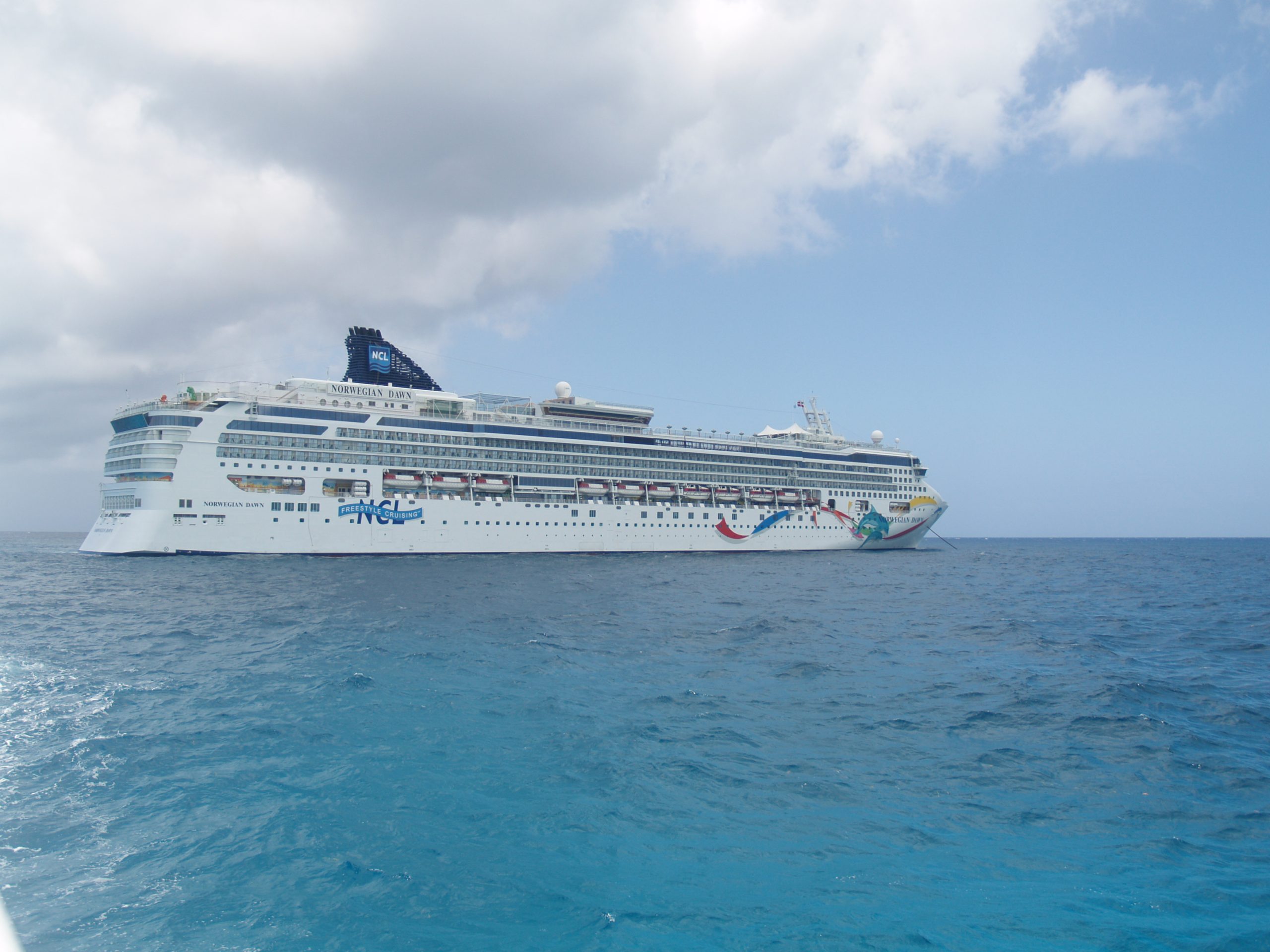
NCL-2008

When we choose a cruise, we always ask ourselves what we want to experience.

  • Is our goal to set foot upon each continent?
  • Is it to immerse in a single country, or do we want to experience many different ones?
  • Is it the ship itself that we want to experience, or the itinerary?
  • Do we want restful days at sea, or an action filled schedule?
  • Are we willing to take a repositioning cruise to complete any of our goals?
  • How long do we want to be away?
  • What time of year do we want to travel?
  • Is this the best season for the areas we hope to see?
  • Where does the ship depart from and return to?
  • Will we need additional travel days to get there?  Do we need to schedule transfers from a plane to the ship?

What does the ship have to offer?

  • What is the brand of the cruiseline?  Is it known to be a party ship, or luxury liner?  How old/young is the average passenger?
  • How old or young is the ship?  Has it been refurbished?
  • What are the reviews for the ship?
  • How many passengers does the ship hold?
  • Are kids likely to be on the ship?
  • Are there adult only areas?
  • How many pools are there?
  • What activities are available on board?  Are there water slides, golfing, go carts or wave pools on board?   Which of these (if any) are important to me?
  • If the weather is bad, what indoor activities are available?  Are there classes and cultural immersion opportunities?  Are there shops available?  Is there a movie theater?
  • What kinds of entertainment will be available?  Are there Broadway style performances, pianists, comedians, magicians?
  • Are there areas for quiet activities, such as a library?
  • Is internet available?
  • Is the dining schedule rigid or relaxed?  What options for meals do I have?
  • What kinds of rooms are available?

Money matters.

  • What is included in the cost? What is not?  Often alcohol, specialty coffee, specialty dining, internet and shore excursions will cost extra.
  • Are gratuities included?  Most cruise lines add $12-$15 per day and there is often an 18% gratuity for drinks.
  • Are there packages available?
  • What discounts/promotions are available?

Have a great vacation!


ABC List-Pre Cruise Preparations

A is for

Arranging your best cruise vacation

B Is for

Best time to cruise

C is for

Choosing a cabin

D is for

Dining options

E is for

Embarkation Day

F is for

Favorite cruise essentials

Foreign Currency

G is for

Getting your monies worth

H is for

Health & safety

I is for

insuring your trip

J is for

K is for

Kits to create

L is for

Life on-board

Lists, lists and more lists

M is for

Motion sickness and how to avoid it

N is for

Not included

O is for

On-board credits

P is for

Passports and paperwork

Q is for

R is for

Rules and regulations

S is for

Sea Days

T is for

Trip Insurance

U is for

Upgrades

V is for

Visas and Vaccinations

W is for

Wi Fi

X is for

eXcursions

Y is for

Z is for

“L” is For Lightweight Luggage-Packing Tips and Tricks

Don’ t waste your weight limits by owning heavy suitcases!  On a recent trip, I weighed our cases before I even began packing.  They weighed over 13 pounds and this was before I had even added one pair of socks!

With average weight restrictions on most flights being only 50 pounds, I was frustrated with giving up over 20% of the maximum allowance to the suitcase.  But where to begin looking for a new case?

There are so many options when it comes to luggage.  Since we would be making a substantial financial investment in them, I wanted to give some thought to what we needed.

My body is aging and lifting cases has become more difficult over the years.   I want to be able to move the cases easily.  I was looking for a case which could be pushed or pulled.  My last wish was for adjustable handles, since there is a significant height difference between my husband and I.

We knew we would be taking these cases around the world.  I needed them to be sturdy but as light as possible since we might be away for long trips, which might require a lot of clothing.

There were many things which distracted me while I was shopping, such as built in power banks, but sticking to my original wishes, I realized these would just  weigh the bag down.

A little research and a shopping trip later, we ended up with these great bags from Travel Pro.   With over 8,000 reviews, customers consistently expressed how happy they were with the cases.  Many had completed hundreds of trips and still saw the bags outperforming others.  I was sold.

The Travelpro Maxlight 5 is regularly featured on many travel blogs (which is how I had found it).There are 4 different size options ranging from carry on to 29″.  There is also an underseat tote.

We chose the 26″ for our needs.  This large suitcase weighs just 7.5 pounds!  This gave me an additional 5+ pounds of wiggle room, compared to our older luggage.

With 10 choices of colors, the most difficult decision was which one to choose. In the end, we defaulted to our trustworthy black.  Although we loved many of the color choices, we worried that some of the lighter ones might show the dirt (even though they are stain restistant), we just wanted low maintenance.  We also knew that we would eventually tire of the colored cases,  or they would become obsolete in time.  Since we expect to keep these for a while, we stuck with the tried and true.

There were additional features which attracted us to this luggage such as:

  • spinner wheels- so we don’t have to pull the case.
  • multiple locking positions on the handle-adjusts for tall/short people.
  • a water and stain resistant exterior- which is handy if the case sits outside in inclement weather (as ours did on our 2021 trip to England).
  • side handles AND top handles-for easy grabbing in every direction off of those overfull baggage carousels.
  • an expanding zipper- which adds an additional 2 inches of depth to the case.  Great when you buy too many souvenirs.
  • many zippered sections-to tuck in those odd items.
  • a separate lid pocket-great for separating and organizing.
  • patterned interior-this was especially helpful with the small tote.  No more caverns of dark fabric when reaching into a deep bag.
  • interior straps-to keep the contents snug.


“C” Is For “Champagne Celebrations”-Cruising

Copy (2) ofDSC_0568                                                                             Champagne Celebrations


Twice in my life I have had the opportunity to stand at the top of a champagne fountain. The tall tower is stacked pyramid style, with 650 precisely balanced glasses. This Italian celebration is usually done at weddings.  Alan and I have been fortunate to have had calm seas, for the Princess Cruise line tradition to take place in the middle of the atrium. Mostly this event is another formal night, photo opportunity for the cruise lines, but I enjoy the excitement of pouring the bubbly. Besides, this is a free drink event, so of course we will always attend! Continue reading

“A” Is For “Altered States”-Cruising


Cruising Through The Alphabet-A Is For Altered States

DSCF5784

In our real world, Alan and I don’t drink much alcohol.  Usually we’ll have a glass of wine at Christmas and a Mimosa on New Year’s Eve.  We might indulge in the odd wine cooler or a glass of wine with friends.  On average, we probably have 8-10 drinks of alcohol, per year.  Take us on a cruise though and we become different people, usually enjoying at least one drink a day, sometimes a lot more!  Maybe it is the freedom from driving, kids and work that we feel.  But I think there is more to it than that.  What is it about this change of environment that makes us alter our behavior so radically?

Continue reading

“B” Is For Balcony-Cruising

B is For Balcony

On our first cruise, in 1994, we had an interior room.  At the time, we didn’t know any better and we couldn’t afford more.  Like many first time cruisers, we started and ended our day with activities, using our room for little more than falling into bed, exhausted.  This is the number one reason we hear for not upgrading the room and if you have nothing to compare it to, then price alone can be a compelling argument.  After twenty years of cruising, and a few lessons, we have come to understand the difference that this little extension of the room makes.

Copy (1) ofDSC_0899I remember the first time we had a balcony, there were things to learn.  Lulled by the soft breeze and setting sun, we fell asleep with the curtains open.  Forgetting that it is a continually changing landscape outside that window,  we woke the next morning in port,  docked next to another ship, looking directly onto their balcony rooms…and they into ours!    Still, that ever changing, floor to ceiling view is just one of several reasons to have a balcony room.  This is especially true when cruising very scenic locations such as Alaska.  While most passengers are on deck fighting for that perfect picture of the glaciers, you can simply return to your room and enjoy the passing scenery in quiet serenity.

Continue reading

Around the Ship-An ABC Cruising List

Cruising is so unique that I thought it deserved an ABC list of its own!  Use this list to discover your ship.  Highlighted items will link to other stories within the blog and/or you may use the search feature.

Alcohol

Art Auction

Art Gallery

Atrium

At Sea

Balcony

Bars

Beauty Salon

Bridge Tour

Buffet

Cabin

Cabin Steward

Captain

Casino

Centrum (see also atrium)

Champagne Tower

Chocolate Buffet

Cigar Room

Classes

Cocktails

Coffee/Tea

Comedian

Dining

Disembarkation

Embarkation

Entertainment

Excursion Desk

Excursions

Fitness Center

Formal Night

Free Dining

Future Cruise Sales

Galley Tour

Games

Golf

Grill

Guest Services

Hidden decks

Hot tubs

Ice cream

Internet at Sea

J

Karaoke

Laundry

Learn Something New

Lectures

Library

Lifeboats

Lingo

Lounges

Maitre d

Magician

Massages

Medical Center

Movies Under the Stars

Music

Muster Drill

Nap

Open Ocean

Organizing a Cabin

Passenger Services

Photographers

Photos/Video Gallery

Pools

Quiz

Room Service

Sail Away Party

Sanctuary

Sauna

Shops/Shopping

Shore Excursion Desk

Shows

Solarium

Spa

Splash Pool

Sunsets/Sunrises

Tea/coffee

Teen Center

Towel Art

U

Vow Renewal

Walk a Mile

Wine Tasting

Xbox

eXcursion Desk

Yoga

Zen