“J” is for Journey (Vietnam)

March 29, 2026

A journey, as defined by an AI search,  is “the act of traveling from one place to another, typically implying a long, adventurous, or significant trip rather than a short commute.”  Today was the first of four cities we would explore in the country of Vietnam.

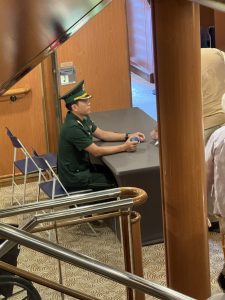
There are only five countries which are officially communist, Vietnam is one of them.  Communism in its simplest explanation strives to eliminate the gap between rich and poor by sharing resources based on the principle:  “From each according to his ability, to each according to his needs”.  We wondered if we would feel any difference based on a vast contrast of ideology between our two countries. This year, Vietnam is said to be strengthening its security and police forces.  Our first observation was the visitor entrance stamp we were each given by the on board immigration official, as we departed the ship.

We had docked in the busy port city of Phu My, which is about one and a half hours away from Ho Chi Minh City, formerly known as Saigon.  With more than 10 million people, Ho Chi Minh is the most populous city in Vietnam.  Normally, I’m not a fan of city tours but due to America’s involvement with Vietnam, this one felt more obligatory to visit than others.

I was young in the late 1960’s and early1970’s, when the images of war were telecast all day on our black and white television. My only awareness of Vietnam before this trip was through the lens of the Vietnam War and how it relates to Americas history. To this day, the war is largely not discussed in the USA and therefore my knowledge of this country is still fairly limited.  Saigon (now called Ho Chi Minh city) was the headquarters for U.S. military operations during the Vietnam war.

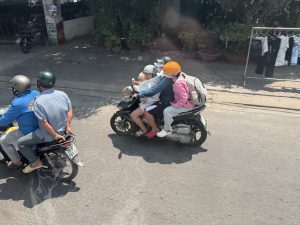
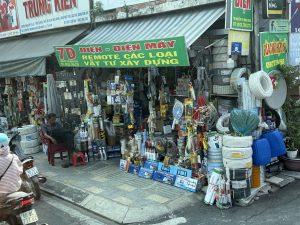
Although there are many historical tours offered, I was not necessarily on a mission to do an American history tour.  Like all of the exploration we take, I wanted a bit of everything, some culture, some history and plenty of things to photograph.   I expected the constant noise, smells and motorbikes normally associated with what I knew about Vietnam but I didn’t realize how touched I would be at the grit and endurance of the Vietnamese people.  I spent the hour and a half bus journey with my nose pressed to the windows, watching as we passed through small villages.  The streets were alive as sidewalks doubled as barbershops, scooter parking and cafes.   I was struck by the number of people selling items from their bikes and motorbikes, many of which chased the bus from location to location, in a desperate attempt to make an additional sale or two.  Capitalism seemed alive here and countered my understanding of communist countries. There are indeed rules in this communist country, but they seem very relaxed.  The tour guide explained that they have a lot of freedom, except political.  The ruling party tolerates no opposition, no free press and no real public dissent.   Ultimately, the message is, don’t criticize the communist party and you will mostly be left alone.

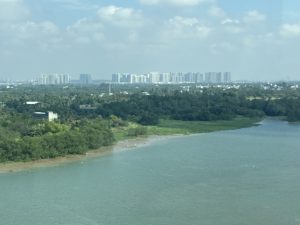
The port city eventually gave way to rice paddy fields and a host of oil and rubber tree plantations. Crossing the Saigaon river, Ho Chi Minh city finally came into view.  From afar it gleamed with modern buildings, it was another moment that conflicted with my preconceived notions. Formerly known as Saigon, the city was founded in 1698 and was once part of Cambodia.  In 1862 it was colonized by the French.  The Vietnam war was a long battle between the north and south. America held a military presence here for nearly 20 years.  When the Vietnam War ended in 1975, the North Vietnamese claimed victory over the South.  Saigon was a symbol of the reunification of the country and was renamed Ho Chi Minh City in 1976,  to honor the late communist leader Ho Chi Minh.  Many older Vietnamese people still call it Saigon.

Our tour today included only the briefest explanation of America’s involvement but what I found most interesting was the evolutionary and cultural journey we unknowingly took, as we traveled through a timeline of Vietnamese history.  At the end of the day, it would take a long re-evaluation of my notes to realize what we had seen and done and how interconnected it had actually been. Unfortunately our tour guide didn’t really offer that connection and I would be left to my own research to piece together the value of what we had seen.

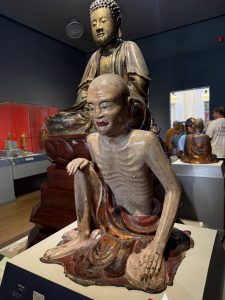
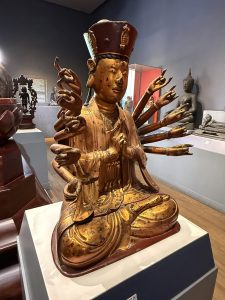
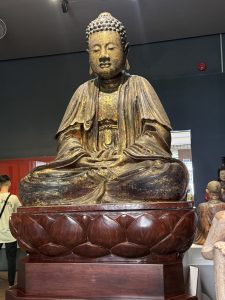
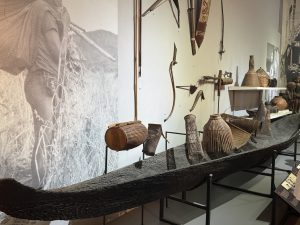
We were first taken to the National History Museum of Vietnam.  During the French colonial rule, the beautiful building was originally built as a branch of the French School of the Far East.  The architecture is a combination of Colonial French and Vietnamese. While not a fan of big cities,  I am also not a huge fan of museums.  They do serve the purpose of consolidating education into bite sized pieces.  This museum covers from the prehistoric era to the August 1945 Revolution when the Democratic Republic of Vietnam was founded.   This spring a new exhibit was introduced called “Spring-The Dawn of Victory”, covering the era from 1946 to present.   Our time here was limited to just an hour, so as we began our cattle prod tour for the day, we only had time to explore a few exhibits and our guide did a poor job of educating us to the “why” we were seeing those areas.  I did enjoy photographing some of the amazing artifacts on display.

Basically the museum represents two regions, the north and the south, divided into two cultural areas who didn’t agree on anything and were in a battle with each other for thousands of years.  When Saigon was renamed, there was great hope that the two areas could become unified.  The museum reflects the goals of the intentions and future of the country of Vietnam.  Admittedly, it was a good place to start our tour.  Armed with a brief overview of history and culture we could now set out to better appreciate the city.

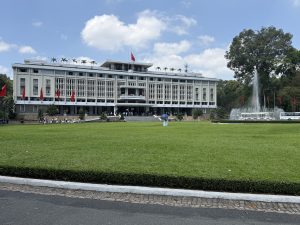
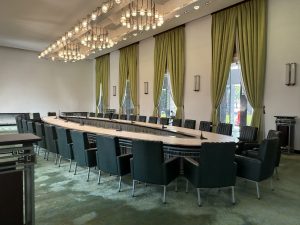
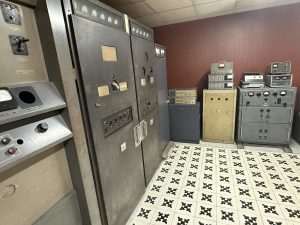
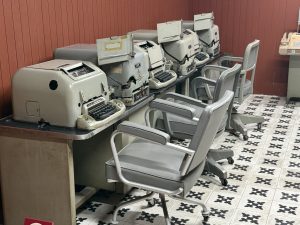
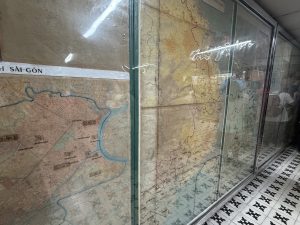
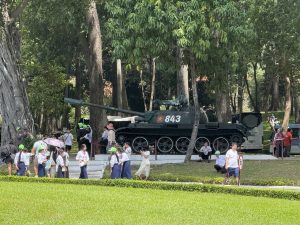
By mid-morning, the outside temperature was beginning to warm up to the 90’s, with about 90% humidity.  We were thankful that our next adventures were indoors.   The destination was a mid- century, architectural masterpiece known as Reunification Hall, also called Independence Palace.  This building is as significant as a tour of our own White House.  On the outside, the structure offers sleek lines, open spaces, and a design symbolizing power and authority, which is fitting since it was  originally built for the governor.  It would eventually become the command center during the Vietnam War. Each floor reveals its own stories.  The ground floor holds the elegance and grandeur expected to host and entertain dignitaries, the first floor was for private quarters, the second for receiving  and entertaining  delegations and the third for quiet contemplation and personal leisure.  The real interest for most people lies in the secret bunkers, war rooms and communication center located in the basement.


After a Liberation Army of South Vietnam tank crashed through the gates on April 30, 1975, the building has also been associated with the official end of the war, more commonly known as the “fall of Saigon”.   Today the palace is preserved as a convention hall for state events and a museum.


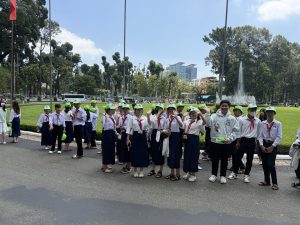
Sometimes while traveling, the smallest of moments creates the biggest of impacts. A group of students was waiting to tour the facility. They were actively trying to engage the Western looking tourists,  They were so excited to meet an American and practice their English.  I asked if I could take their photo. It was very touching as they blew kisses and formed hearts with their hands, sometimes communication is loudest in silence, a perfect example of the very barriers that travel breaks down.  My heart was full as I engaged with these young ambassadors.

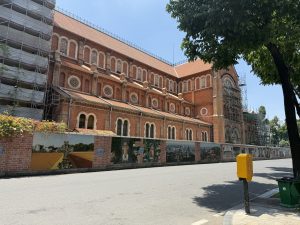
On our whirlwind visit, we had a couple additional photo opportunities and all of them involved great architecture, which is a passion of mine.  Located in the center of the city, Notre Dame Cathedral of Saigon was built in the late 19th century, the cathedral features twin bell towers reaching nearly 200 feet high.  The red brick walls were imported from France as were the beautiful stained glass windows.  Unfortunately the building was covered in scaffolding, minimizing the grandeur of this great structure and my ability to get great photos.

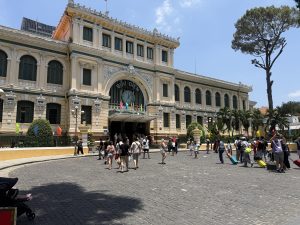
The French Colonial Post Office, built between 1886 and 1891 is located next door to the basilica.  This was our next stop and a premier example of French Colonial architecture featuring a grand vaulted hall, patterned tiled floors and intricate iron supports designed to mirror European train stations. Everything about this space, from the original phone boxes to the massive circular counter, is interesting.  This is a major tourist attraction, so people watching was just as fascinating as choosing a post card to send from this still operational post office.  I could have spent significantly more time here, but we were limited by the 15 minute time frame we were given and I was on a mission to choose post cards and obtain stamps, so that I could get the cards written before leaving Vietnam.  It turns out that the post office shorted the postage required for post cards and I had to chase additional stamps later in the week anyway!  I will save the topic of mailing post cards, while on holiday, for a different post but let’s just say it is a labor of love when we are overseas!  The area around the post office is also a wonderful open air market.  For a brief moment, I wished I hadn’t been on a tour, so that I could just revel in the atmosphere of this extraordinary place.

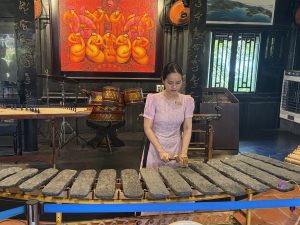
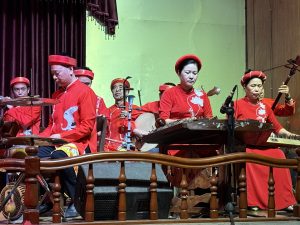
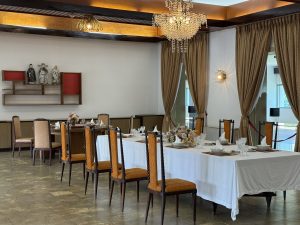
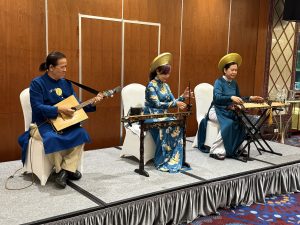
By now, we had worked up quite the appetite.  The great thing about being on a cruise sponsored excursion is that meals are often at high end hotels…the kind I can’t afford to stay at but which lunch is a special luxury.   This particular lunch was at the 5 star, Windsor Plaza Hotel.  There was an added bonus that Western style food was served alongside all the traditional Vietnamese options, which made my husband very happy!  In the wonderfully air conditioned grandeur of this place, we were serenaded by traditional music played on Vietnamese instruments.

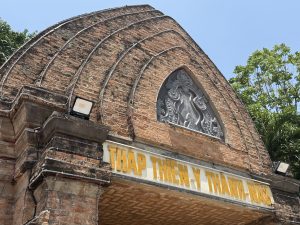
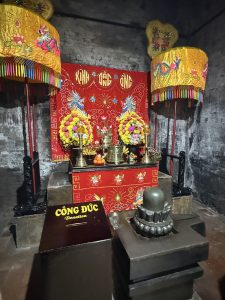
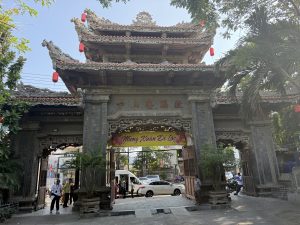
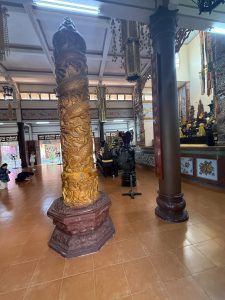
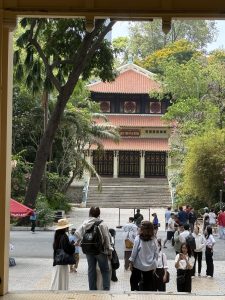
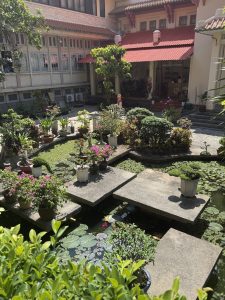
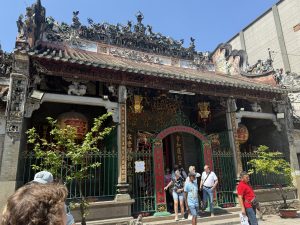
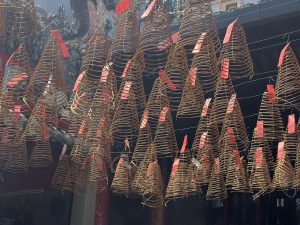
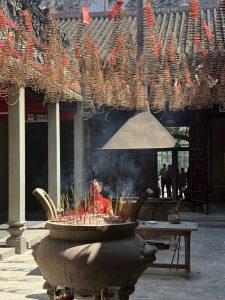
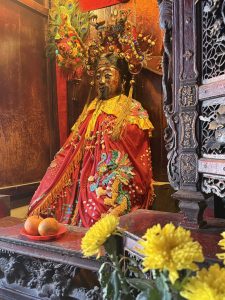
Our bellies once again full, we continued on our busy schedule.   Our next stop was the Thien Hau Temple. Arriving as immigrants around the 17th century, a small population of Chinese, numbering between 750,000 to over 2 million, known as the Hoa people, settled in urban areas such as Ho Chi Minh.  They  brought with them their own rich heritage of traditions.  Around 1760, the ornate temple was built to worship Thien Hau (Mazu), a Chinese deity.  Thien Hau (Mazu) is the revered sea goddess. It’s said that her birth brought forth a sweet fragrance and radiant light. Gifted with magic, she flew over the ocean on a mat, to save those in danger. After passing away, she often appeared in red, gliding above the waves. She is one of the most widely worshiped deities among overseas Chinese, who journeyed across the sea to settle in new lands. The temple serves as a spiritual and cultural hub for the Hoa people, preserving their rich heritage and traditions for future generations.

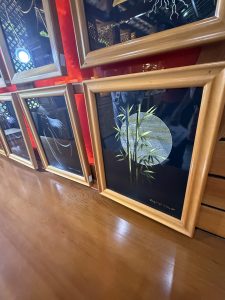
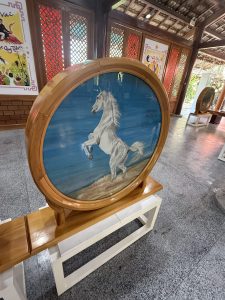
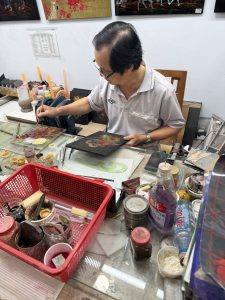
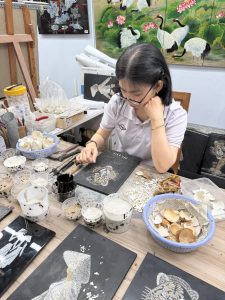
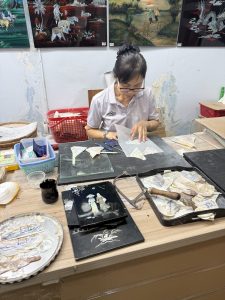
Next it was time for a bit more culture as we toured the Dat Viet Lacquer Factory.  Lacquerware is one of Vietnam’s biggest exports.  This 800 year old traditional craft uses a natural resin from the son tree, to create a polished, durable and glossy item. Each piece takes months to create, as up to 30 layers of resin are often applied.  The craftsman must wait days between each layer for the lacquer to dry. Beyond the sap, artisans will incorporate natural materials such as eggshell, mother of pearl, gold and/or silver leaf, to create intricate designs between each of the layers.  Once the desired number of layers are reached, the piece is then given a final polish.  Of course we were drawn in to purchase a piece (which I am sure is the intention of bringing us here) but seeing the process of this handiwork makes our souvenir that much more meaningful and we will forever reflect on what it takes to create such a treasure.  For this keepsake we selected what we are calling “Love Birds” to commemorate our 43 years of marriage and to remind us of this extraordinary adventure.

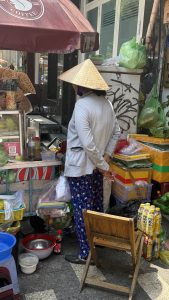
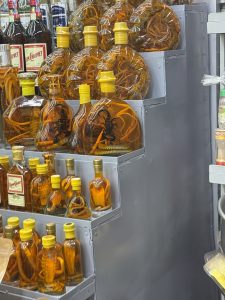
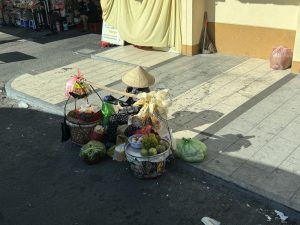
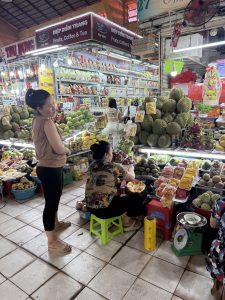
For our final stop we were taken to Cho’ Ben Thanh Market, also known as Saigon Market.   We had officially reached the heart of the city.  The sprawling French inspired architecture of the building is imposing, standing in the center of several bustling streets. Over more than a century, the Ben Thanh Market has not only been a bustling trading place but also a historical witness associated with the ups and downs of Saigon. There are nearly 1,500 booths to explore and more than 6,000 small businesses are represented.  The massive market is divided into four sections with souvenir shops and handicrafts grouped together.  There is another section for fresh foods, seafood and street food stalls, while clothing and accessories are in another section.  Dried goods and local specialties make up the final grouping of stalls.  With over 10,000 people visiting each day, it was interesting but also completely overwhelming with the vendors hustling for business and wall to wall people. Except for the snakes and insects in bottles, most stalls were selling the same things. We lasted about 15 minutes before making our way back outside. We returned to the bus to wait for the remainder of the tour group to finish shopping.  I had more fun watching a woman from the window of the bus. She had been dropped off on the back of a motorbike and unpacked a variety of stacked baskets, to create a full service farmers market right on the sidewalk.  I imagined most of the produce had been grown at her home.  I wondered what her story was. What would she share about her country?  Perhaps she had already given me a glimpse through that window.

I spent the hour and a half of the return journey, reflecting on the timeline of history which we had covered. It had indeed been a cattle prod tour, the kind we generally try to avoid, but reminiscing upon our day we realized that we had, had a wonderful overview of history and immersion in culture.  Overall, we were happy we had picked this “Best of” tour at the beginning of our Vietnam journey.

“I” is for Impressive (Thailand)

I honestly didn’t think that anything could be as impressive as the day we had experienced in Bangkok,  but our second day, while docked in Leam Chebang, was equally as enjoyable.   The ship had overnighted and we were scheduled to take a private tour to the nearby town of Pattaya.  This town has a reputation for beaches and the bawdy,  so I wasn’t quite sure what to expect today.  Most people come to Pattaya for the nightlife and we were due to depart at 4pm, so we would see none of that.  With its close proximity to Leam Chebang, it is an easy location to get to, so we were off the ship by 8am.  Unfortunately traffic was very congested and the 20 minute journey took about an hour and a half. With our already shortened day in port, we knew it would be a whirlwind of the three activities on the schedule for the day,

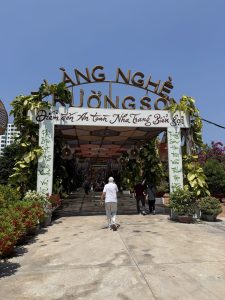
Suan Nongnooch Botanical Gardens

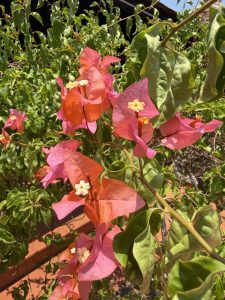
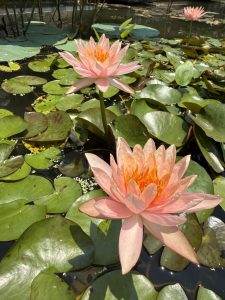
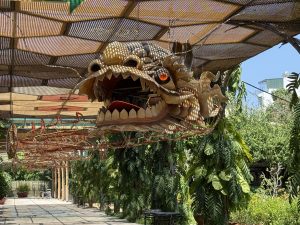
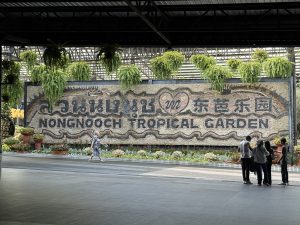
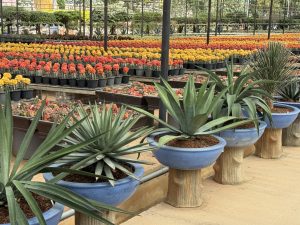
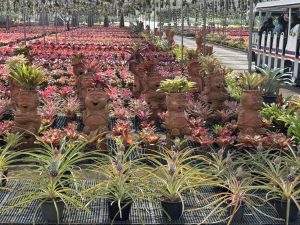
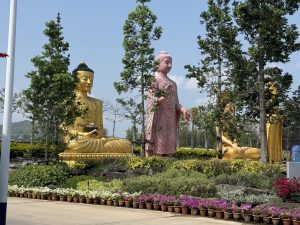
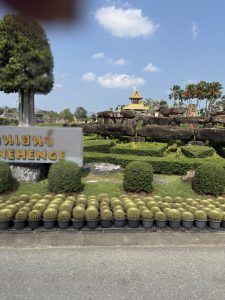
We would begin the day at Nong Nooch Botanical Gardens.  Anyone who knows me, knows that flowers are my passion (right up there with photography).   Combine these two things and it creates a time management problem as I while away the hours!  Because we are on tour, I must stay on task.

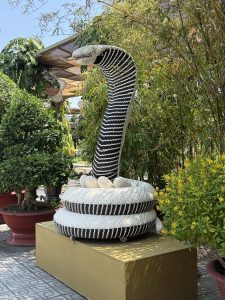
The Nong Nooch Tropical Botanical Garden (Suan Nong Nooch) is one of the most popular tourist attractions in all of Thailand. It is one of the largest tropical gardens and the world’s largest botanical garden.

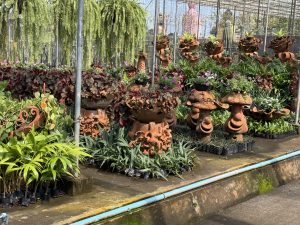
The Nong Nooch Tropical Botanical Garden (Suan Nong Nooch) is one of the most popular tourist attractions in all of Thailand. It is one of the largest tropical gardens and the world’s largest botanical garden.There are over 20,000 tropical trees, collected from 50 countries around the world. The most distinctive flower collection consists of more than 600 species of orchids.

The land which it occupies was originally bought for the cultivation of an orchard. The initial goal was to grow mangoes, coconuts, oranges and other Thai fruits there. After a trip abroad, the owner of the land, after whom the Nong Nooch Pattaya garden was named, decided to plant a tropical flower garden instead of an orchard.


Later, having realized how attractive this place could become for tourists, it was fully equipped for a variety of interests. The complex is huge, covering over 500 acres! Besides the massive Botanic Gardens, you can find a swimming pool, restaurants, a banquet hall and hotels.  There is a zoo of sorts, an elephant arena and a performance hall.  There is even  a hall featuring a car collection!  Each section has its own entrance fee and it is a reasonable day out for families, making the site a popular tourist destination.

The garden was opened to the public in 1980 and is now run by the founder’s son. Each areas is divided into specialized “gardens”.  By my count there were at least 14.  We were so limited on time, we hopped aboard a shuttle, to be able to see most of what the grounds offered, which meant I couldn’t get up close and personal with the plants.  This was probably good since there are 8 of us in the group. It also meant views were limited based on the side of the shuttle you had chosen.

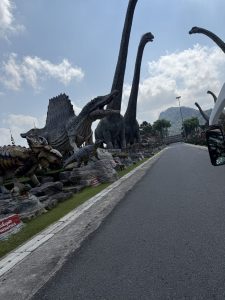
I don’t want to do this beautiful space any disservice by saying it is also an amusement park.   There aren’t rides per say (except for the elephant rides)  but there are themed areas such as the massive Dinosaur Garden.

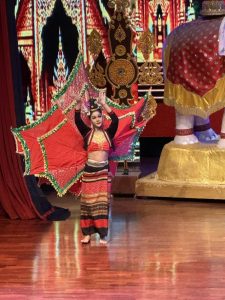
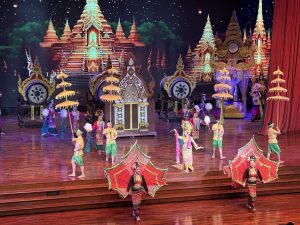
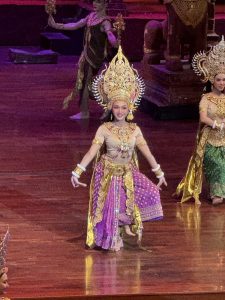
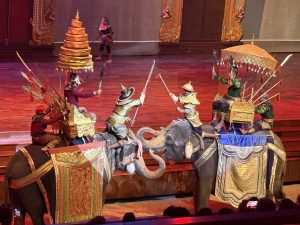
Seeking respite from the 90+ degree heat, we moved to a massive, enclosed auditorium, which was blissfully air conditioned.  Here, we would be treated to the most spectacular stage presentation of traditional Thai cultural performances. The 45 minute performance included traditional and more modern dances which rivaled Las Vegas. A little Thai martial art was also thrown in for our entertainment and then the elephants were brought in for a reenactment of what is called the elephant fight (the riders battle with long poles).  The entire show had me spellbound.

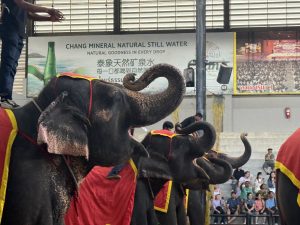
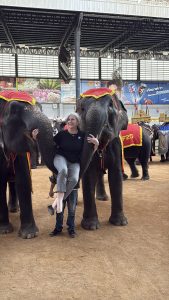
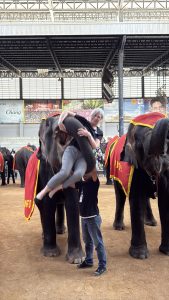
We still weren’t done at Na Nooch.  Next we were taken to a big arena to see the elephants perform.  This is a circus-like environment where the elephants pose for pictures, can be fed, play basketball, soccer, bowl and paint.  They are extremely well trained but I would have preferred time at the floating market, which we then had to cut from our schedule.  My fellow passengers might have preferred if I hadn’t smelled like an elephant the rest of the day, after playing with them!


I was holding out hope that we could still have some time at our final destination, the Sanctuary of Truth, which would blow our socks off.  I had researched this amazing place but we were only given 30 minutes at the location, which translated to about 15 by the time we actually got to the structure.

Sanctuary of Truth (UNESCO)

The Sanctuary of Truth is another of the most popular places to visit in Pattaya.

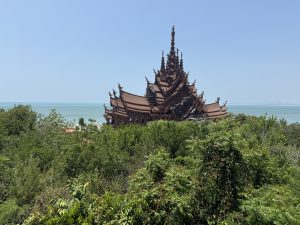
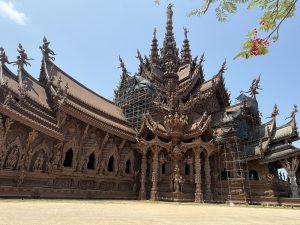
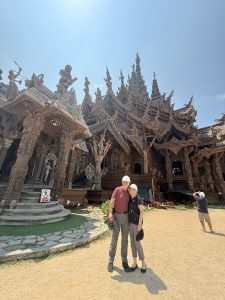
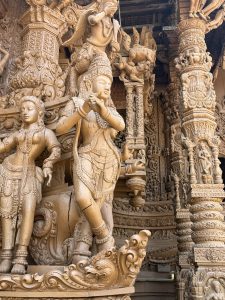
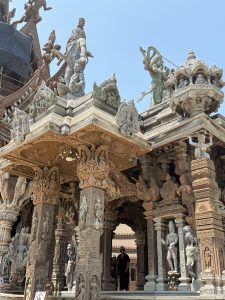
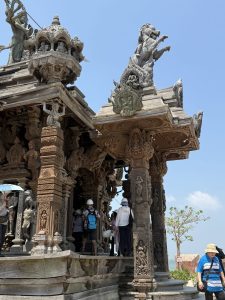
While many people refer to it as a temple, it is actually a privately owned museum. The distinctive 105-metre structure, built on the headland near Wongamat Beach, was visuaalized by a businessman to celebrate Thai craftsmanship and it certainly does!

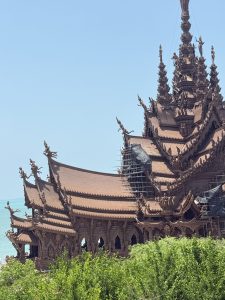
The intricate structure is built completely out of wood. The pieces are held together using different techniques such as lap joints, dove tails, and large wooden pins.  No nails have ever been used.

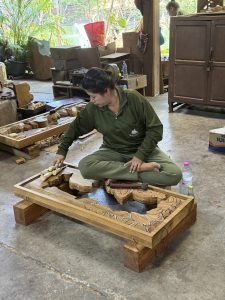
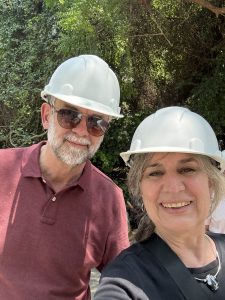
Each elaborate carving tells the stories of Thai mythology and philosophy. It’s a tribute to traditional craftsmanship and spiritual values.  Talented craftsman work daily to repair the building and/or to add to the structure.  Since it is a working construction zone, visitors are required to wear hard hats.

We didn’t have enough time to partake but beyond the temple, there are boat rides, cultural shows, and scenic viewpoints of the coastline.

On our last day in Thailand, we reflect on all we have experienced in this country and conclude the memories have been absolutely incredible!


“X” is For Xenomania-ABC Words

X is often one of my more difficult letters to represent when we are designing an ABC Adventure.  I was so excited when I realized there are over 400 “X” words to explore!  I was even more excited to find the word “Xenomania” as one of them.
Xenomania is found in the Urban dictionary.  It is defined as “a passion for all things foreign and the customs associated.”  This seemed really fitting to begin a new year.

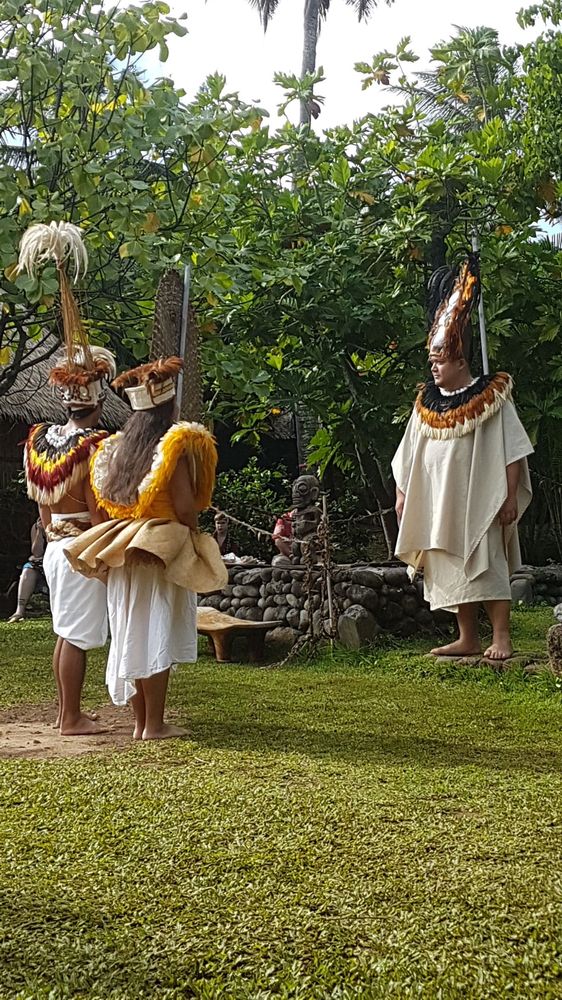
Since our mission for this year is to stretch ourselves, we will soon be setting out on our Pacific Island Adventure.

We also needed an “X”, to represent our purpose.

Travel opens our minds to the differences between people. What better way for us to discover the Southern Hemisphere than to allow ourselves a full immersion in cultures and customs!  We are excited to share the journey with you.   In the coming days we will be exploring new foods, seeing new sights and fully embracing all things foreign.  We plan to become “Xenomaniacs”!   Tomorrow I will share the Bucket List of goals we have created for this trip.